How to Get Dog Hair Out of Carpets (Area Rugs & Runners)
Published on May 25, 2026
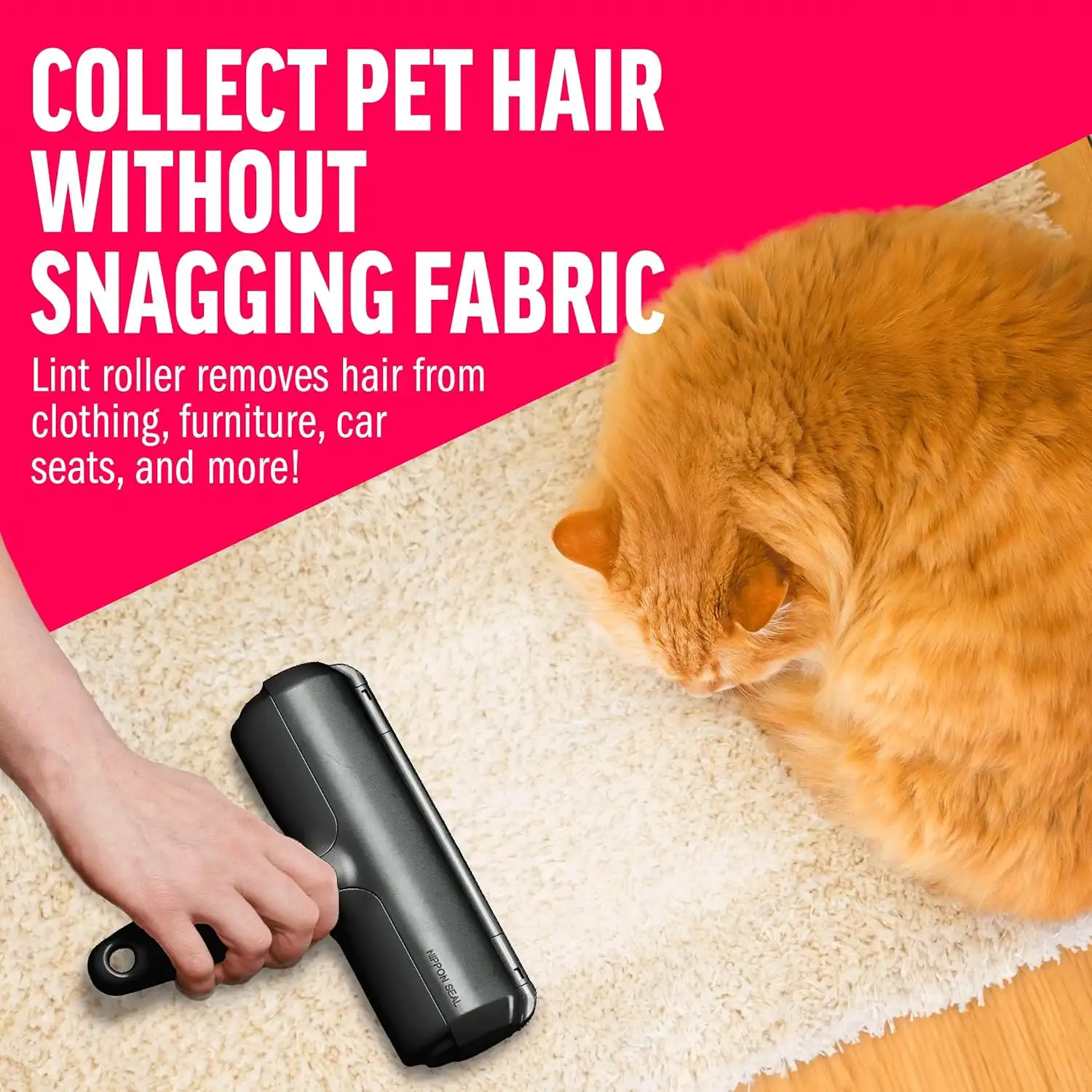
Table of Contents
Dog hair embeds itself in carpet fibers, making it harder to remove than hair on smooth surfaces. Vacuuming alone often leaves hair behind, especially with thick or long-haired breeds. Here are methods that work.
Why Dog Hair Sticks to Carpets
Dog hair has a texture that grips carpet fibers. Static electricity makes it cling even more. Thick carpets, shag rugs, and textured runners trap hair deep in the pile where vacuums struggle to reach.
Method 1: Manual Pet Hair Roller
A manual pet hair roller (like the ChomChom Roller) uses a brush system to lift embedded hair from carpet fibers.
How to Use
Step 1: Place the roller flat on the carpet.
Step 2: Push forward, then pull back in short strokes (6-8 inches). The back-and-forth motion traps hair in the chamber.
Step 3: Work in overlapping sections. Go over heavily soiled areas multiple times.
Step 4: Empty the chamber when it fills.
Best For
- Area rugs and runners
- Low to medium pile carpets
- Spot cleaning high-traffic areas
- Carpets where vacuuming leaves hair behind
Pros
- No batteries or power needed
- Reusable (no tape refills)
- Works on embedded hair
- Quiet
Cons
- Manual effort required
- Slower than vacuuming for large areas
Method 2: Rubber Broom or Squeegee
A rubber broom or squeegee creates friction that pulls hair out of carpet fibers.
How to Use
Step 1: Drag the rubber broom across the carpet in one direction. The rubber edge grabs hair and pulls it to the surface.
Step 2: Collect the hair clumps by hand or with a vacuum.
Step 3: Repeat until the carpet is clean.
Best For
- Low pile carpets
- Large areas
- Carpets with heavy shedding
Pros
- Inexpensive
- Works on large areas
- Brings embedded hair to the surface
Cons
- Requires manual effort
- Hair must be collected separately
- Less effective on thick or shag carpets
Method 3: Vacuum with Pet Hair Attachment
A vacuum with a motorized brush or pet hair attachment can remove surface and embedded hair.
How to Use
Step 1: Attach the pet hair tool or use the motorized brush head.
Step 2: Vacuum slowly in overlapping passes. Multiple passes work better than one fast pass.
Step 3: Empty the canister or bag frequently. A full vacuum loses suction.
Best For
- Wall-to-wall carpets
- Large areas
- Regular maintenance
Pros
- Fast for large areas
- Collects hair automatically
- Works on multiple surfaces
Cons
- May leave embedded hair behind
- Requires power source
- Can be loud
- Filters and bags need replacement
Method 4: Damp Rubber Glove
A damp rubber glove creates static that attracts hair.
How to Use
Step 1: Put on a rubber glove and dampen it slightly.
Step 2: Rub your hand across the carpet. Hair will stick to the glove.
Step 3: Rinse the glove and repeat.
Best For
- Small areas
- Spot cleaning
- Quick touch-ups
Pros
- Free (if you have gloves)
- Works on small areas
Cons
- Slow
- Not practical for large areas
- Requires frequent rinsing
Which Method Works Best?
For area rugs and runners, a manual pet hair roller works well because it lifts embedded hair without requiring a power source.
For wall-to-wall carpets, start with a vacuum, then use a rubber broom or manual roller on areas where hair remains.
For quick spot cleaning, a damp rubber glove or manual roller handles small areas fast.
Tips for Preventing Hair Buildup
- Brush your dog regularly to reduce shedding.
- Vacuum or roll carpets 2-3 times per week during heavy shedding seasons.
- Use washable area rugs in high-traffic areas so you can shake them out or wash them.
- Keep a manual roller near the couch or in the car for quick cleanups.
What About Carpet Rakes?
Carpet rakes loosen embedded hair and bring it to the surface, making it easier to vacuum. They work well on thick or shag carpets but require manual effort. Use a carpet rake before vacuuming for best results.
Frequently Asked Questions
What is the best way to remove dog hair from carpet?
A manual pet hair roller works well for area rugs and embedded hair. For wall-to-wall carpets, start with a vacuum, then use a rubber broom or manual roller on areas where hair remains.
Why does dog hair stick to carpets?
Dog hair has a texture that grips carpet fibers. Static electricity makes it cling even more. Thick carpets and textured runners trap hair deep in the pile where vacuums struggle to reach.
Does a rubber broom work on carpets?
Yes. A rubber broom creates friction that pulls hair out of carpet fibers. It works best on low pile carpets and large areas.
How often should I remove dog hair from carpets?
For heavy shedders, vacuum or roll carpets 2-3 times per week during heavy shedding seasons. For light shedders, weekly or bi-weekly cleaning is usually enough.