
How to Use the ChomChom Roller: A Pro Pet Hair Guide
Sick of peeling off sticky lint roller sheets? I was too. My golden retriever sheds like it’s his full-time job. Fur on the couch. Fur on my black jeans. Everywhere. I finally bought a ChomChom, gently rolled it over my sofa, and… absolutely nothing happened. I thought I had purchased a total dud. Turns out, I was doing it completely wrong. The technique makes all the difference.
This little tool dominates the pet hair removal game, but only if you master the specific wrist-flick movement it requires. Let’s fix your pet hair problem right now.
What’s in the Box
Unboxing the device feels incredibly straightforward. You get exactly what you need to start tackling fur immediately.
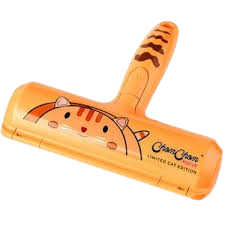
- The main roller unit with an attached dust bin.
- A brief instructional insert.
First impressions? It feels sturdy. The handle offers a solid grip, and the lack of batteries or messy adhesives feels like a massive upgrade right out of the gate. Keep your fingers clear of the bin trapdoor button while aggressively rolling—you don’t want an accidental fur explosion!
How It Works (The Mechanism)
Ever wonder why this thing doesn’t just spin freely like a paint roller? That resistance acts as a deliberate design feature.
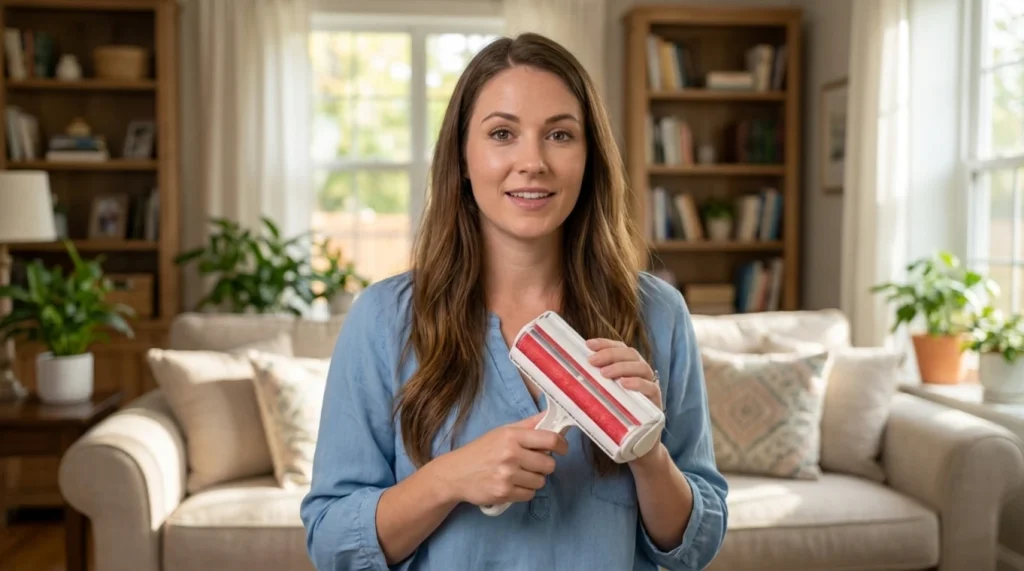
The device relies on a combination of friction and electrostatic charge. When you push and pull, the two silicone flaps at the bottom catch the fabric. This back-and-forth action creates a static charge that rips embedded hair from the fabric fibers, while a small internal squeegee mechanism forces that collected hair straight into the dust receptacle.
Pro Tip: Do not try to force the roller to do a full 360-degree spin. The partial rotation handles all the heavy lifting.
Preparing the Surface
Preparation guarantees success. Grab a loose blanket and try rolling it with one hand. Frustrating, right? The fabric just bunches up.
Best Surfaces
Taut, heavily upholstered fabrics yield the best results. Think couches, tight bedsheets, car seats, and cat trees.
Positioning
- Pull loose fabrics tightly with your non-dominant hand.
- Ensure the surface lays flat without major wrinkles.
- For pillows, brace them against your torso or a wall to create resistance.
The Proper Technique
Here lies the secret. If you learn one thing today, make it this.
Most beginners try to use it like a traditional lint brush: slow, long, one-directional glides. This approach fails miserably. You need short, vigorous, rapid back-and-forth strokes. Think of the motion you use when scrubbing a stubborn stain with a sponge. Scrub, don’t sweep.
- Stroke Length: About 6 to 10 inches max.
- Speed: Fast. You should hear a rapid clicking noise.
- Pressure: Firm, but don’t crush your furniture. Let the bristles do the work.
Cleaning and Maintenance
A full dust trap means a useless roller.
Press the small release button located directly on the handle. The top lid springs open, revealing a tightly packed brick of lint and fur. Grab the hair, toss it in the trash, and snap the lid shut. For routine maintenance, run a slightly damp microfiber cloth over the bristles every few weeks to remove built-up dander and skin oils. Never submerge the unit in water.
Troubleshooting
Hitting a wall? Let’s troubleshoot the most frequent complaints.
Not Picking Up Hair?
Check your speed. Are you pushing hard enough? Make sure you hear the clicking sound of the internal flap shifting direction. Also, check the dust bin. If it’s packed full, the hair has nowhere to go and will just smear across your couch.
Loud Clicking Noise?
Relax, your tool isn’t broken. That aggressive clicking noise means you are doing it perfectly. The sound comes from the directional flap switching sides to push the hair into the trap.
Safety and Storage
Keep the tool out of reach of chew-happy puppies. The silicone flaps tempt teething dogs. Store it in a dry utility drawer. Direct sunlight can degrade the red fabric bristles over time, reducing their gripping power.
Alternatives and Comparisons
How does our featured tool stack up against the old-school methods?
| Tool Type | Best For | Pros | Cons |
|---|---|---|---|
| ChomChom | Couches, beds, carpets | Reusable, no ongoing costs | Struggles on loose, thin clothing |
| Sticky Rollers | Delicate clothes, on-the-go | Precise, works on loose fabric | Expensive over time, creates waste |
| Pet Vacuum | Deep carpet cleaning | Pulls out embedded dirt | Loud, bulky, requires power |
FAQ
Why doesn’t the roller spin all the way around?
It’s designed to move partially. Static electricity and friction pull hair into the internal compartment. A full spin would render it useless.
My roller is noisy — is that normal?
Yes, the noise is totally expected. That aggressive clicking means the mechanism works properly.
It’s not picking up hair — what am I doing wrong?
Try more vigorous back-and-forth strokes. Stop sliding it slowly in one direction. Ensure the fabric is pulled tight.
Can I use it on delicate fabrics?
Test on a hidden area first. Avoid very thin or easily torn fabrics, as the friction pad can pull and snag loose threads.
Final Thoughts
Ditching the disposable sticky tape changed my cleaning routine entirely. Mastering the short, rapid scrubbing motion takes a few minutes, but once you get the hang of it, you’ll clear an entire sofa in under a minute. Keep the surface tight, embrace the loud clicking sound, and empty the trap regularly. Your pet gets to shed, and you get to keep a pristine living room.